

Making AI happen in testing projects
Artificial intelligence is becoming an integral part of modern software engineering. At the same time, many organizations are looking beyond cloud-based AI solutions and exploring local AI systems to address concerns around data privacy, cost control, and technical transparency. For quality engineering and testing professionals, this evolution creates concrete and practical opportunities.
Test engineers and QA professionals work with complex specifications, requirements, and test artefacts daily. Local AI systems can support these activities by helping analyze documentation, generate and review test cases, and consolidate project knowledge—without exposing sensitive data to external services.
Approaches such as Retrieval-Augmented Generation allow AI models to produce results grounded in real project documentation, improving traceability and relevance. In addition, local Large Language Models can be adapted and fine-tuned to better align with testing standards, terminology, and quality expectations.
However, effective use of AI in testing requires more than running a model. It is essential to understand how information is retrieved, how models are trained, and how results should be evaluated. A key challenge remains assessing whether AI-generated outputs actually meet the intended testing goals.
In this tutorial, participants will work hands-on with local AI systems for test engineering. They will learn how to build RAG-based test knowledge bases, fine-tune models for testing tasks, and integrate local AI into QA workflows and CI/CD pipelines, with a strong focus on practical application and result evaluation.
AI will not replace test engineers—but those who know how to design, control, and assess AI-based testing tools will be better prepared for the future.
With over six years of experience as an ISTQB® Trainer and software testing expert, Abbas Ahmad has a proven track record of delivering high-quality training and testing solutions in complex, interconnected domains such as IoT and AI.
As the CEO of Certilog FZCO, a leading software testing consultancy in the UAE, he oversees the delivery of testing services and projects for clients across various sectors and regions.
As the President of the UAESTQB, the official representative of the ISTQB® in the UAE, Abbas provides strategic leadership and direction to the Board and foster collaboration with partners and stakeholders in the testing community.
His passion for advancing the testing profession and enhancing the testing standards is reflected in his involvement in several groundbreaking research and innovation projects, such as H2020 ARMOUR, H2020 Autopilot, and H2020 SMESEC, where he has contributed to the development of testing methodologies, frameworks, and tools for IoT security, AI detection, and cyber-security.
With a Ph.D. in Computer Science and a focus on Model Based Testing for IoT web services, Abbas has a deep understanding of the technical and business challenges and opportunities in the emerging fields of IoT and AI.
He’s always eager to share his knowledge and insights with others and to learn from the best practices and experiences of the industry.
AI Assistants and Agents for Testing
This one-day tutorial provides a structured framework for transitioning from experimental, “alongside” AI chatbots to the operational deployment of AI assistants and Agents integrated directly into software quality assurance processes and tooling.
Technical Foundations: Participants will explore the three technical pillars maturing in 2026 that enable industrial-grade AI deployment:
- AI Agent Architectures: Moving beyond text generation to “agentic AI” capable of planning and executing concrete tasks, such as running test scenarios.
- Model Context Protocol (MCP): Utilizing this open standard to securely connect AI models to testing tools, backlogs, and databases.
- Context Engineering & RAG: Shifting from “prompt engineering” to “context architecture,” using Retrieval Augmented Generation and knowledge graphs to provide AI with accurate, dynamic business context.
Functional Use Cases & Demonstrations: The session details three mature use cases for functional testing, illustrated through live demonstrations within the Jira and Xray ecosystem to showcase how AI interacts with standard QA artifacts:
- User Story Refinement: Demonstrating AI as a “fourth amigo” to detect ambiguities and ensure stories meet INVEST criteria directly in the backlog.
- Test Design: Showing the accelerated generation and maintenance of test scenarios within the test repository.
- AI Test Execution: Observing a visual agents execute manual tests on the application interface, with results and evidence logged natively in the management tool.
Governance and Risk Management: The tutorial addresses the critical requirements for sustainable production: Trustworthiness, Security & Compliance and Economic Performance.
Throughout these demonstrations and use case analysis, the focus remains on the tester’s role as the final decision-maker, the “orchestrator” and “context architect,” ensuring the AI remains a controlled and secure capability. In this tutorial, you will learn to transition from generic AI chatbots to a structured, industrial-grade strategy by applying AI agent architectures, the MCP protocol, and context engineering to securely automate test design and execution within your existing QA ecosystem.
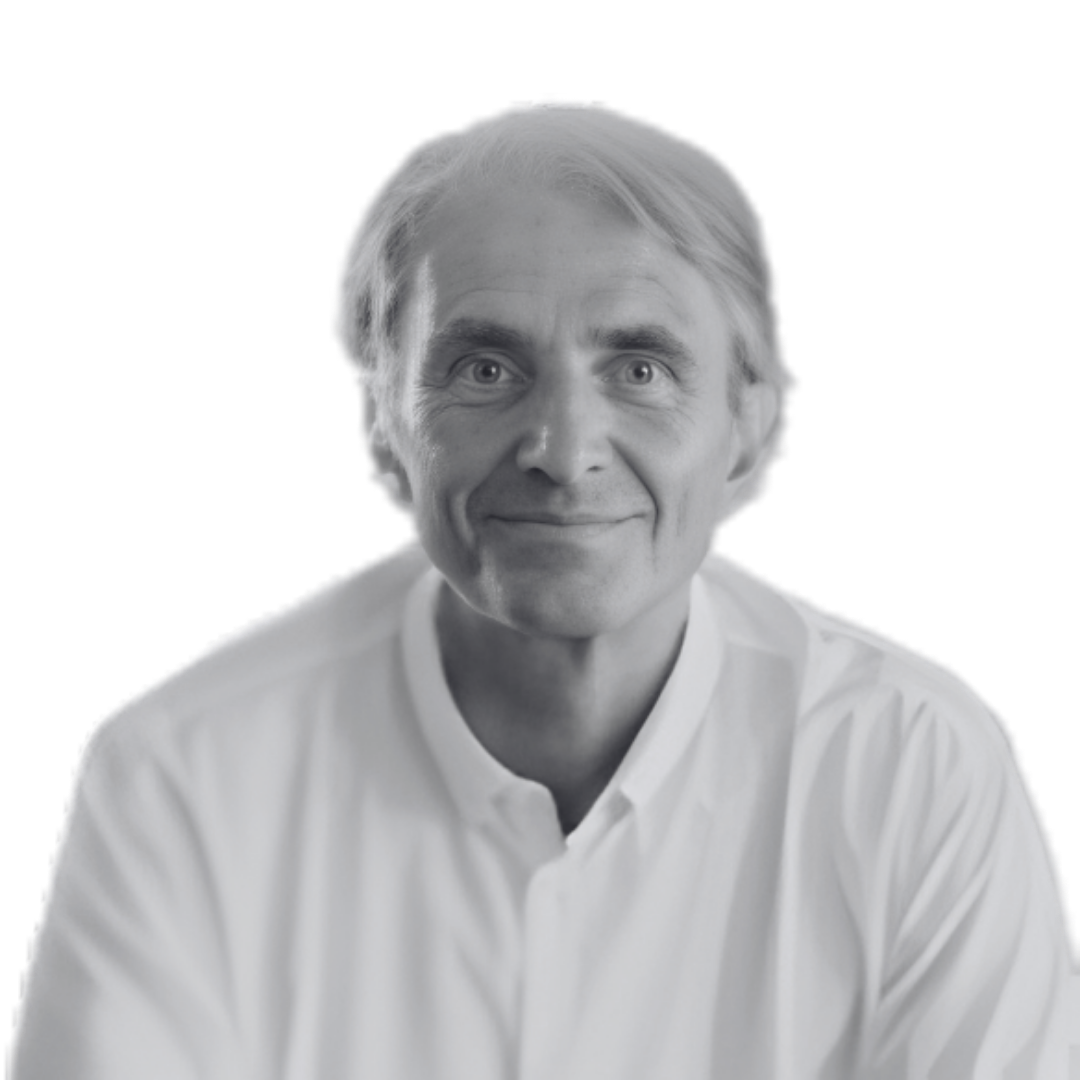
Bruno Legeard is a recognized international expert in software testing and the Head of the AI Lab at Smartesting. A former Professor In Software Engineering at the University of Franche-Comté, he bridges the gap between academic research and industrial application. Bruno is a co-author of the ISTQB® Certified Tester AI Testing (CT-AI) syllabus and has published extensively on Model-Based Testing and AI-driven quality assurance. He brings deep theoretical knowledge and strategic vision to the tutorial. Bruno brings the operational perspective, sharing real-world feedback, practical “war stories,” and concrete methods for implementing AI assistants and agents within QA teams.